Mazda CX-5 & Mazda3 Immobilizer Module Programming in Arlington, TX
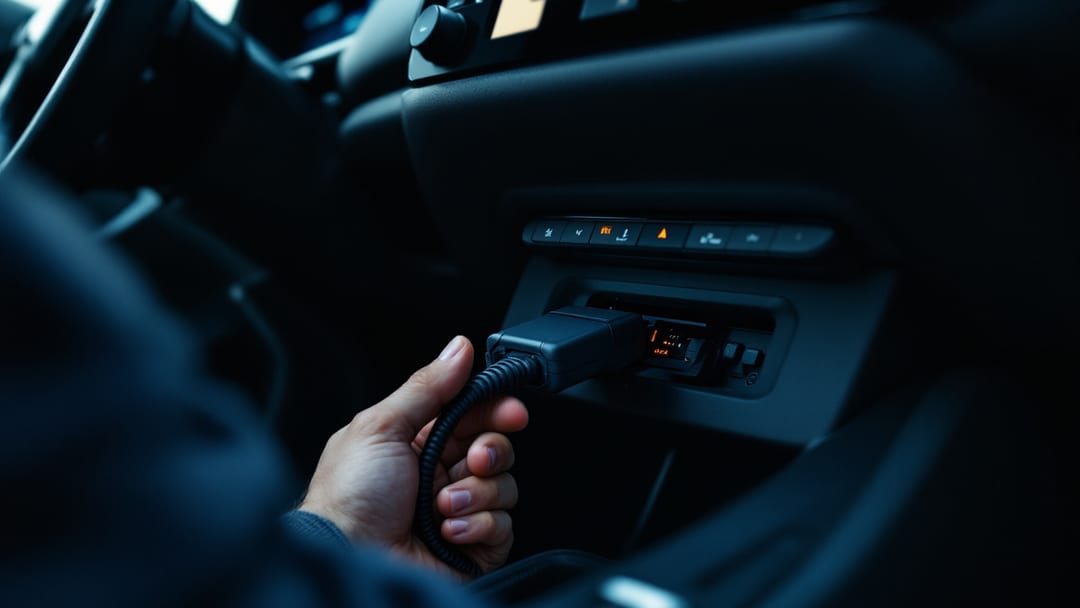
What does Mazda immobilizer module programming cost in Arlington?
As of August 2026, registering keys to a Mazda immobilizer in Arlington typically runs about $170 to $340 when a working key exists, and about $320 to $580 when the authorized key list has to be rebuilt from nothing. Work involving a replaced module is quoted after diagnosis. Arlington Locksmith performs this at the vehicle through the diagnostic port — call or text (817) 646-7207 with your model year and we will confirm the price before dispatch.
The CX-5 and Mazda3 generate a particular kind of call. The vehicle displays a message about a key it cannot detect, the owner replaces the fob battery, nothing improves, and the working assumption becomes that the key is dead. Sometimes it is. Frequently the key is fine and the conversation between the key and a module is what broke.
What the immobilizer is actually doing
Every modern Mazda maintains a list of keys it is willing to trust. When you approach with a proximity fob or insert a bladed transponder key, the vehicle challenges it, the key answers, and a module compares that answer against its list. A match releases the immobilizer and permits the engine to start.
Two independent things can therefore go wrong, and they need different fixes.
- The key cannot answer. Dead battery, failing transmitter, water damage, cracked internals. Fix the key.
- The module cannot ask or cannot judge. Antenna fault, low system voltage, corrupted or missing configuration, replaced hardware that was never configured. Fix the module side.
"Key not detected" describes a failed conversation. It does not tell you which participant failed, and that distinction is the entire diagnostic job.
"Half the modules people want replaced are healthy modules being fed six-volt logic by a tired battery." — Arlington Locksmith service desk
Advanced Keyless Entry, briefly
Mazda's proximity system uses antennas distributed around the cabin and doors to detect a fob within specific zones, then runs an encrypted exchange before allowing push-button start. That architecture explains several symptoms owners find baffling.
Detection works at one door and not another. Individual antenna zones, not one master sensor. A single weak zone produces a fob that works at the driver door and nowhere else.
Detection fails only in one parking garage. Radio interference from the structure, not a vehicle fault. Structures near the Entertainment District are notorious for it, and the vehicle is fine.
The fob works only pressed against the start button. That is the designed inductive backup path. It means the fob is alive and its battery or transmitter is failing — a warning, not a failure.
Mazda module and key programming pricing in Arlington
| Mazda programming scenario | Typical Arlington price (2026) |
|---|---|
| Add a key to the existing list, working key present | $170–$340 |
| Rebuild the authorized key list, no working key | $320–$580 |
| Erase unknown keys from the list, used-car cleanup | $130–$300 standalone |
| Bladed transponder key, cut and registered | $140–$260 |
| Proximity smart key, cut and registered | $190–$380 |
| Diagnosis of a "key not detected" fault | Quoted before work, often credited |
| Programming after a module replacement | Quoted after diagnosis |
Ranges depend on model year and how much module access the specific vehicle requires. The firm number is confirmed on site before anything is written.
Key programming versus module programming
These get conflated constantly and they are genuinely different operations with different risk profiles.
Key programming adds a key to a list the existing, healthy module already maintains. It is the everyday version of this work, it is quick, and it is what happens on a normal spare-key visit.
Module programming configures the module itself — telling it which vehicle it belongs to and establishing the security relationship that lets it judge keys at all. It becomes necessary when a module has been replaced, has lost its configuration, or has arrived from another vehicle carrying the wrong identity.
Every key job touches the first. Only some jobs touch the second. Quoting them as one number would be dishonest in both directions, which is why our car computer and immobilizer programming page treats them separately.
The diagnostic order
Cheapest first, always, because that is how you avoid replacing a module to fix a battery.
- Fob battery, and the inductive backup path. If holding the fob against the start button works, the answer is a two-dollar battery.
- 12-volt system voltage. Marginal voltage causes modules to behave erratically, drop communication, and report faults that do not exist. This is checked before anything is condemned.
- Second key comparison. If one key works and the other does not, the vehicle is authenticating correctly and the dead key is the problem.
- Zone testing. Detection tried at each door and each antenna zone, which separates a fob problem from an antenna problem.
- Module communication. Whether the module answers at all, and whether its stored configuration is coherent.
Most of these calls end at step one or two. The ones that reach step five are real, and by then nobody is guessing.
The used-car scenario
A significant share of this work is not a fault at all. Someone buys a CX-5 or a Mazda3 with one key and a vague assurance about a second, and wants two things sorted at once.
Add a spare so a single loss does not strand the vehicle at double the price. Erase the unknown keys so anything still held by a previous owner stops working.
Those are separate operations and adding a key never removes one. Tell us which you want and the module gets configured accordingly rather than by assumption. For the spare side specifically, see spare keys and duplication; for the "nothing survives" version, see all keys lost.
The honest boundary
Most CX-5 and Mazda3 vehicles on Arlington roads are ordinary mobile work. Across the industry a narrow band of the very newest vehicles uses factory-controlled procedures that no independent tool set legitimately performs, and where a specific vehicle falls into that band the dealer is the right answer. We say so on the phone rather than charging for a trip that cannot finish. Our dealer versus locksmith comparison covers the trade-offs, and car immobilizer programming for all keys lost covers the deepest version of this work.
Module and immobilizer work is regulated work. Texas locksmiths operate under the Texas Department of Public Safety Private Security Program, and the secure data channels behind vehicle security procedures are coordinated through the National Automotive Service Task Force. The NHTSA documents why: electronic immobilization is among the most effective standardized anti-theft measures ever deployed, so access to it is controlled and ownership verification is part of every visit.
Where in Arlington?
Wherever the vehicle sits. Our technicians work driveways in south Arlington and east Arlington, apartment lots near the UTA area, retail parking at The Parks Mall, and workplace lots in Pantego.
For related Mazda reading, see Mazda CX-9 and Mazda6 ignition switch repair if your problem is mechanical rather than electronic.
What to check yourself before calling
Three of these cost nothing and between them they resolve a large share of "key not detected" calls. It is worth ten minutes.
Hold the fob against the start button and press. If the vehicle starts, the fob battery is the entire fault. This is the designed inductive backup path and it exists precisely for this moment.
Try the second key. If the other fob works normally, the vehicle is authenticating correctly and the dead fob is the problem — not the module, not the antennas, not the wiring.
Test at a different door and in a different place. If detection works at the driver door but not the passenger door, that is an antenna zone. If it works in your driveway but not in one specific garage, that is radio interference and your vehicle is fine.
Consider the 12-volt battery's age. A battery past four years old in North Texas heat is a legitimate suspect for almost any strange electronic behavior, including this one.
If all four leave you with the same message, the fault is real. But arriving at that conclusion for free is meaningfully better than arriving at it after paying for a diagnosis.
What we ask before dispatch
- Model year and trim. Establishes the key generation and the applicable procedure.
- Key slot or start button? Two different key families and two different procedures.
- Does any key still work? The single largest variable in the quote.
- Has any module been replaced? Changes the scope from key programming to module programming.
- Do you have title, registration, or an insurance card? Verification happens before anything is written into the vehicle.
A price given without those answers is not a quote. It is a number designed to win the phone call.
Frequently Asked Questions
How much does Mazda immobilizer module programming cost in Arlington?
As of August 2026, registering keys to a Mazda immobilizer in Arlington generally runs about $170 to $340 when a working key exists, and about $320 to $580 when the key list has to be rebuilt from nothing. Work involving a replaced module is quoted after diagnosis, because the scope depends entirely on which module and which model year.
What does "key not detected" actually mean on a Mazda?
It means the vehicle did not receive an acceptable answer from a key it recognizes. That can be a dead fob battery, a failing transmitter, an antenna problem, a low 12-volt system, or a genuine module fault. The message describes a failed conversation, not a diagnosis, which is why guessing at it gets expensive fast.
Can you program keys after a used module is installed?
Often, but it depends on the module and the model year. A replacement carrying security data typically has to be configured to the vehicle before keys can be registered, and some configurations are constrained by the manufacturer. We establish what a specific vehicle allows before quoting rather than promising an outcome we cannot deliver.
Is module programming the same thing as key programming?
Not quite. Key programming registers a key into a list the existing module maintains. Module programming configures the module itself so it knows which vehicle it belongs to and which keys it should trust. Every key job touches the first, and only some jobs touch the second, which is why the two are quoted differently.
Do I need to tow my Mazda for this work?
Rarely. Immobilizer and key module work happens through the diagnostic port at the vehicle, so a CX-5 in a driveway or a Mazda3 in an apartment lot stays exactly where it is. Towing is a limitation of fixed-location shops rather than a technical requirement of the procedure itself.
Can you erase keys a previous owner might still have?
Yes, and on a used Mazda it is worth asking for. Rebuilding the authorized list excludes any key not physically present during the session, so fobs still sitting in someone else stop working. Simple add-key programming does the opposite and leaves every previously registered key functional, so tell us which outcome you want.
Why did my Mazda work fine yesterday and not today?
The most common answers are a fob battery that finally crossed its threshold and a 12-volt battery that is weaker than anyone realized. Both produce sudden, total, apparently inexplicable failures. Both are cheap to rule out, which is exactly why they are the first two things we check rather than the last.
Book Mazda programming in Arlington
If your CX-5 or Mazda3 is showing a key it cannot detect, the cheapest possible outcome is a diagnosis that finds a battery — and that is genuinely the most common result. Reach dispatch through the contact page, read the car computer programming page for scope, or call and text (817) 646-7207 at tel:+18176467207 with your year and where the vehicle is parked.